T2.1
Application of remote-sensing-derived variables and metrics to decision making and management
Partners:
UGR
UNIMOL
CNR
UCA
PNGP
UC
Active:
Year 1, Year 2
WP2 implements mitigation, adaptation and restoration measures for biodiversity and its ecological functions using Nature-based Solutions, combining scientific and local knowledge to preserve the natural heritage of mountains.
Together with local managers and researchers we will first identify and map the major drought events of the last four decades in each mountain, and disentangle which variables and dimensions (structure; water, energy and carbon fluxes) are most sensitive and which are most resilient. The dynamics of remote-sensing-based essential variables before, during and after each disturbance will be compared along conservation and management gradients, mapping trajectories of disturbance severity and ecosystem stability (resistance and resilience). This supports the mandate of the EU Nature Restoration Law and the African Great Green Wall initiative.
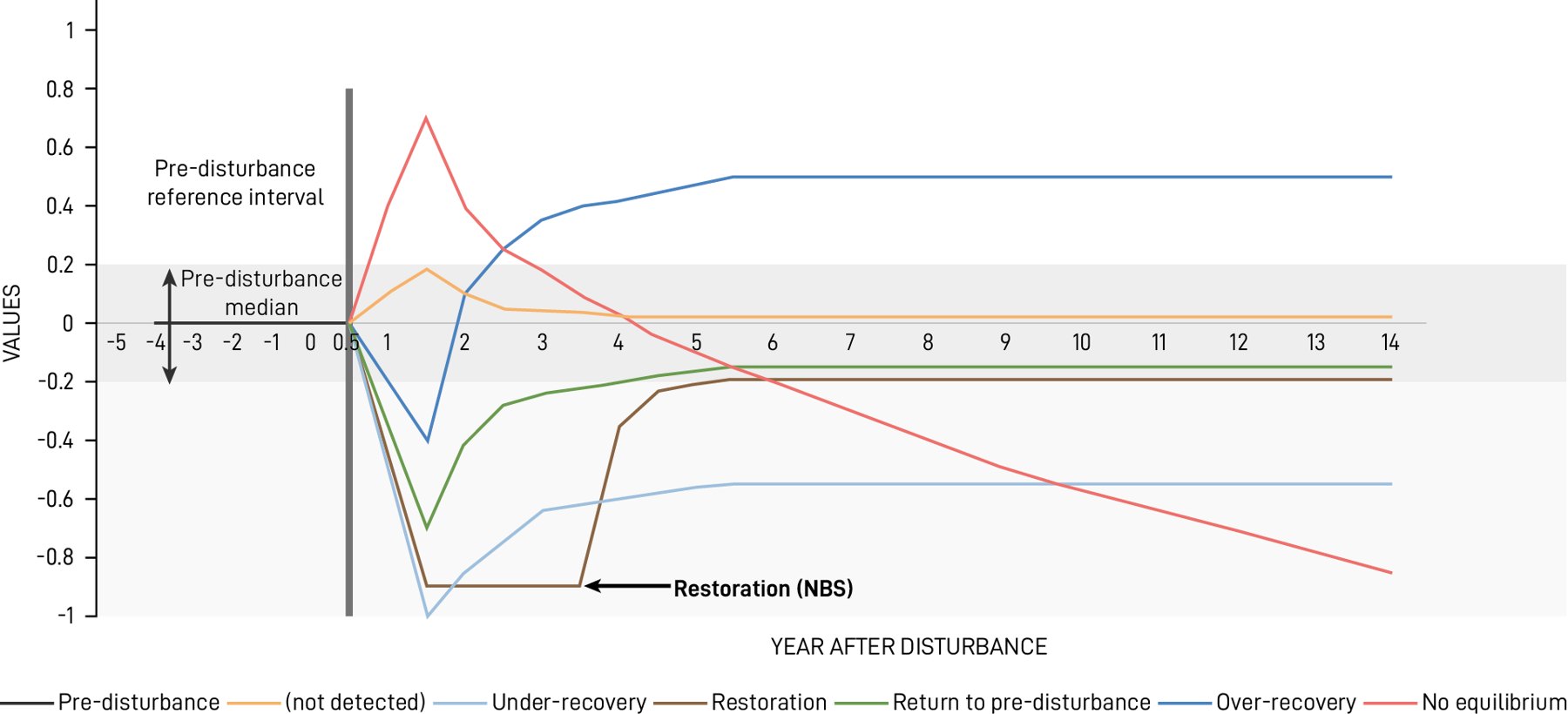
Case studies will be identified with managers in all mountains around two questions: (1) mapping and monitoring the conservation status of species and habitats of conservation interest in wet meadows and snowbed grasslands; and (2) ecosystem stability against disturbance and evaluation of restoration measures. Field data will calibrate and validate remote-sensing indices over large spatial and temporal extents.
Novel management and restoration solutions are tested following NbS principles with managers and local people, focusing on (1) reclamation of traditional irrigation ditches and their wetlands of influence, (2) monitoring plant community responses to water supply and to livestock and tourist pressure, and (3) active restoration of key, rare and endemic species. We opt for adaptive management: co-designed actions, control plots and follow-up monitoring.
We will test how restoring traditional ditches connected to high-mountain springs influences the biodiversity and resilience of meadows, exporting the Sierra Nevada acequias as a case of good practice. Actions include assessing replicability (biophysical, legal, regulatory and social conditions — who manages and maintains?), carrying capacity and optimal performance, experimental pilots, and other water uses (springs, troughs) as alternatives. Governance analyses consider other communal uses, local ecological knowledge and communal management systems.
An observational approach (monitoring community responses to water supply and to different livestock and tourist pressures, as in T1.1–T1.2) is combined with an experimental one: small, discreet metallic exclosures (at least three per meadow, each with a paired control) where composition, cover, soil respiration, humidity, temperature and satellite variables are monitored. Where possible, virtual fencing is used as an alternative. Together they reveal how communities respond to drought combined with ungulate and tourism pressure.
Factorial experiments will test innovative restoration techniques rarely or never applied in high mountains: (1) soil stabilisation through mulching, organic blankets and hydroseeding; (2) improvement of soil structure and nutrients through amendments, fertilisation, microalgae or mycorrhizal inoculation; and (3) introduction techniques — sowing with different seed mixtures, planting, combined actions or “bio-turf”. Actions take place where permitted, with companies, protected-area staff and citizens.
Restoration of keystone species — such as juniper in Sierra Nevada or endemic and threatened grasses and forbs in other sites — through sowing and planting along restored ditches and in meadows with different disturbance levels, inside and outside exclosures. Actions “mimic nature”, reproducing natural seed dispersal and sowing in the most successful microhabitats, with volunteers, park managers and local germplasm banks.
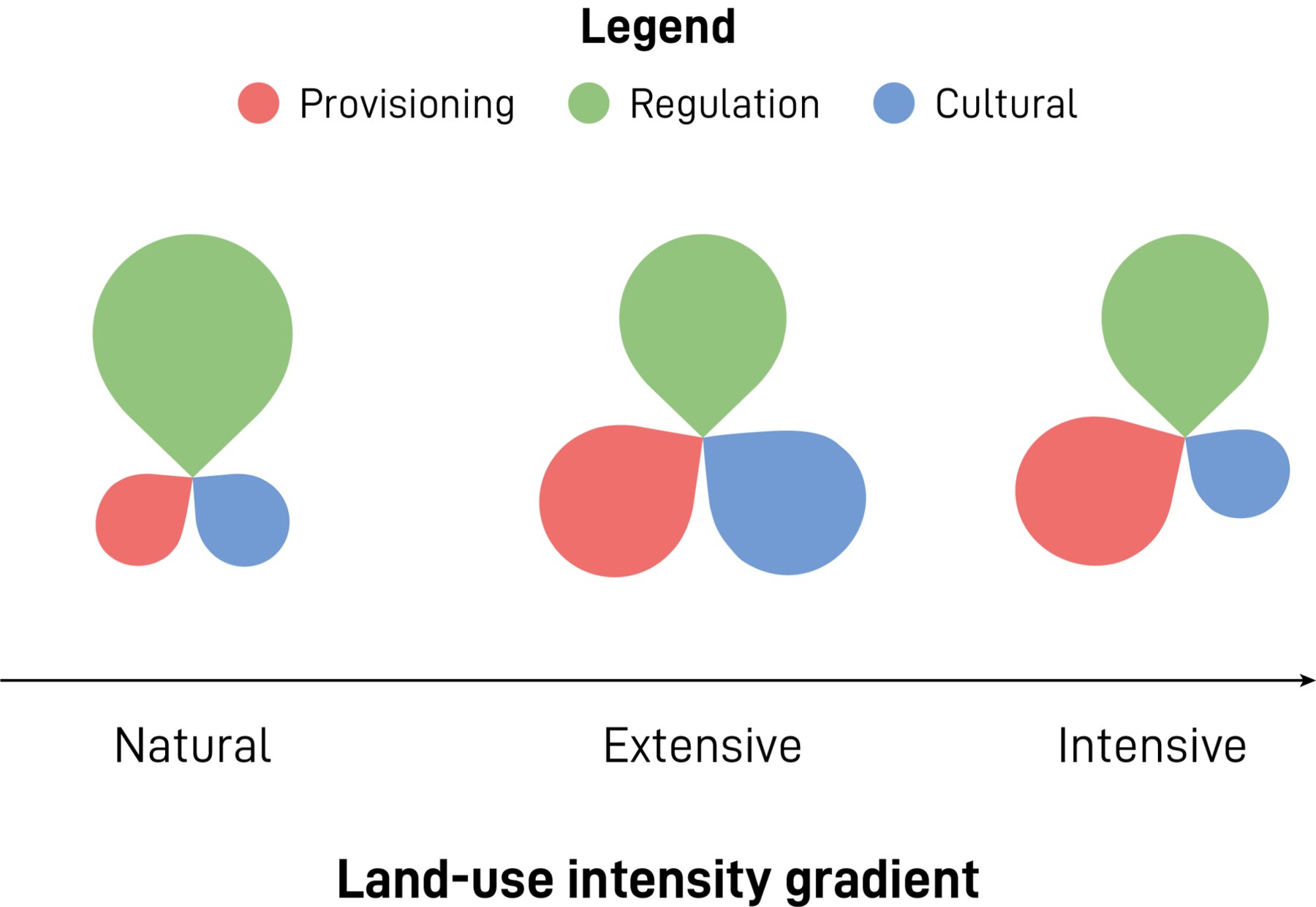
Trade-offs and synergies among NbS will be evaluated in each mountain to determine their effectiveness in promoting biodiversity and rehabilitating ecosystem functions and services. Each monitoring variable is linked to an ecological function and service; expected implications are quantified in terms of supply and demand, and gains and losses weighted across scenarios. Barriers to adoption are explored with qualitative frameworks such as Fuzzy Cognitive Mapping.

PRESINMED is funded through the 2023–2024 Biodiversa+ joint call for research proposals “Nature-based solutions for biodiversity, human well-being and transformative change” (BiodivNBS), with the national funders of the participating countries. Biodiversa+ is the European Biodiversity Partnership, co-funded by the European Commission.